DHS ANNOUNCES NEW FORM I-9 AND REMOTE VERIFICATION FOR E-VERIFY EMPLOYERS

The Department of Homeland Security (“DHS”) announced on July 21, 2023 they will publish a revised version of Form I-9 on August 1, 2023. DHS also announced an enhanced remote verification flexibility using video for E-Verify employers, both for clean-up of I-9s created during the pandemic and going forward.

Key Changes To The I-9 Form To Be Published On August 1

• Employers can use the current Form I-9 (10/21/19) through Oct. 31, 2023

• Starting Nov. 1, 2023, all employers must use the new Form I-9

• Reduces Sections 1 and 2 to a single-sided sheet

• Supplement for Preparer/Translator Certification

• Supplement for for Reverification and Rehires

• Additional Acceptable Documents and guidance for automatic extensions

• For E-Verify employers, includes a box to indicate the special remote verification of documents

New Alternative Procedure Permitting Remote Verification For E-Verify Employers Only

Starting August 1, 2023, employers enrolled in E-Verify will be allowed to follow a new flexible procedure for remote verification of I-9 supporting documents.

Step 1: Applicant (post-offer) or Employee copies or photographs their I-9 supporting documents (front and back) and e-mails them to the employer (or via another form of transmission).

Step 2: Employer examines the documents to ensure the documents reasonably appear to be genuine.

Step 3: Employer conducts a live video interaction (i.e., Zoom, Teams, Google Meet, FaceTime, etc.) with the applicant or employee to ensure that the documentation reasonably relates to them. Applicant or employee must present the same documents already transmitted to the employer a second time during the live interaction.

Step 4:Employer marks the alternative procedure box of Supplement B of the new I-9 form for new employees hired on or after August 1, 2023. Or if the employee was hired during the pandemic, then the employer notates “Alternative Procedure” in the Additional Information Box of the prior I-9 form and completes this task by August 30, 2023.

Step 5:Employer retains the supporting documents (paper or digital) and attaches them to the I-9. (In the past, only List A documents were copied. With the new remote flexibility, the E-Verify employer must now copy and retain all List A, or List B and C documents.)

Cleanup Of Pandemic I-9s For E-Verify Employers – Due August 30

Employers who were participating in E-Verify and created an E-Verify case for employees whose documents were remotely examined during the COVID pandemic (March 20, 2020 to July 31, 2023), may now choose to use the new alternative live video procedure starting on August 1, 2023 to satisfy the physical document examination requirement by August 30, 2023.

The employer must notate “alternative procedure” with the date of video examination in the Additional Information Box on Page 2 of the older version I-9. The employer should not create a new case in E-Verify.

E-Verify employers hiring remote employees on or after August 1, 2023 should use the new I-9 form and complete the Supplement B designating the alternative procedure.

Non E-Verify Employers Cleanup Of Pandemic I-9s Due August 30

Employers who were not enrolled in E-Verify during the COVID-19 flexibilities must complete an in-person physical examination by Aug. 30, 2023 for any employees hired during the pandemic.

Avoiding Discrimination With The Use Of E-Verify

Employers should be mindful of the following key issues:

• E-Verify is only to be used on new hires. The only exception is employees working on a covered federal contract that requires mandatory E-Verify.

• An I-9 should never be completed until an offer is made and E-Verify should never be used until the I-9 is completed.

• Employers that were not enrolled in E-Verify at the time they initially performed a remote examination of an employee’s documents under the COVID-19 flexibilities between March 20, 2020 and July 31, 2023 may not use the qualified video flexibility on employees hired since that time unless the employee was hired after the employer enrolled in E-Verify.

• A remote employee may elect to come into the employer’s office for in-person examination of their I-9 documents.

• All employers that enroll in E-Verify and are using a digital I-9 software program that interfaces with E-Verify are required to have all users participate in mandatory anti- discrimination training. https://www.e-verify.gov/book/export/html/3802

DOJ Immigrant & Employee Rights (IER)

While employers should always strive to have perfect I-9s, if they have any doubts as to whether someone is work authorized (either a new hire or someone on an automatic extension) they should consult with counsel. DOJ will hold employers strictly liable for any inadvertent denial of employment due to a misunderstanding of whether an employee is work authorized. Along with that comes a burdensome Civil Investigation Demand, mandatory training, fines, and public shaming.

Consult With Counsel

When you encounter any unusual I-9 issues, consult with experienced employment counsel to avoid creating liability, both as to onboarding as well as terminations.

To read more articles like this one, subscribe to the ALERT Newsletter today!


About The Authors

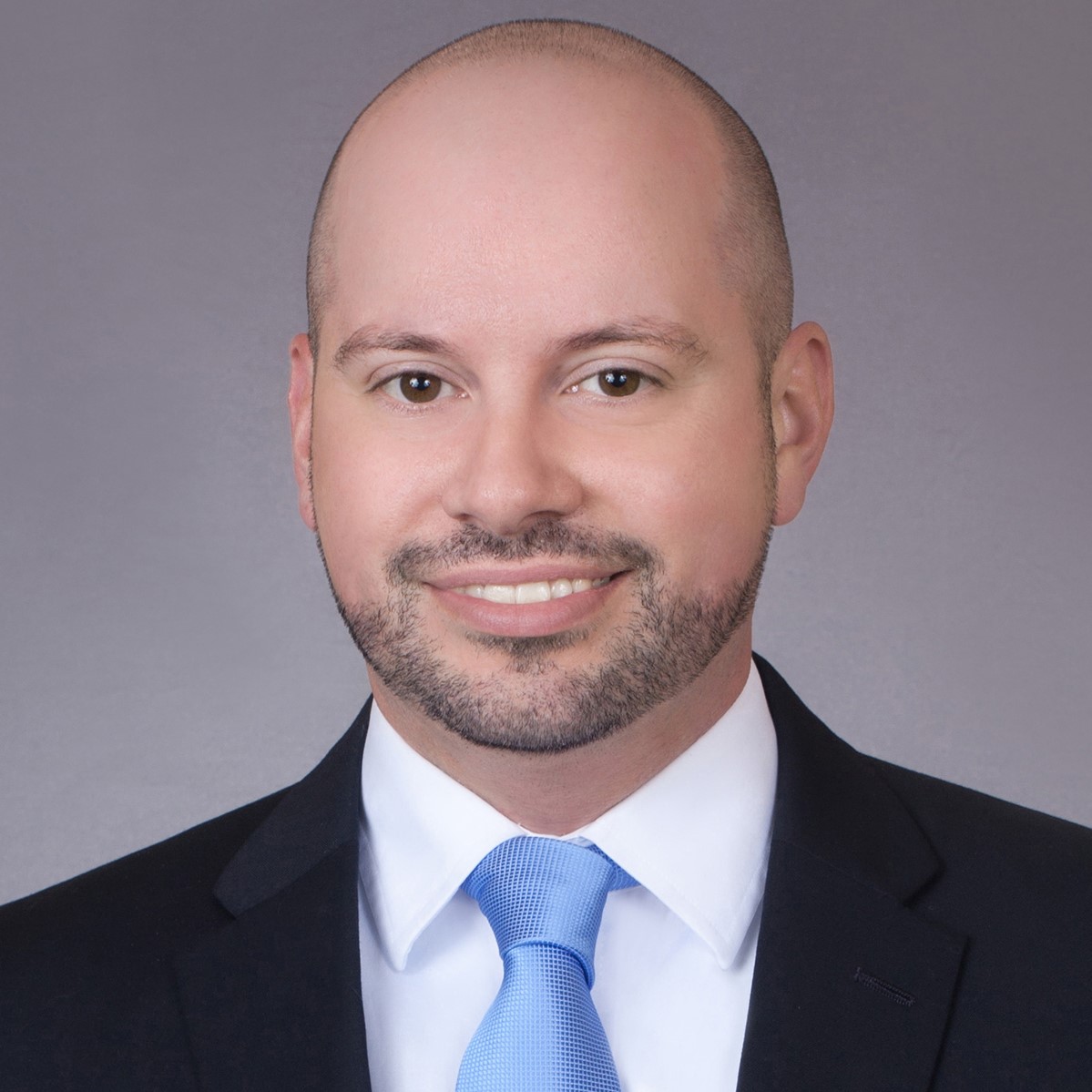
Greg L. Berk is a Partner in the law firm of Sheppard, Mullin, Richter & Hampton LLP in the firm’s Orange County office. He leads the Firm’s immigration practice and is a Certified Specialist in Immigration and Nationality Law by the State Bar of California Board of Legal Specialization>. He has over 25 years of experience advising on all aspects of U.S. immigration matters. He assists employers worldwide with the hiring and retention of foreign national executives and highly talented individuals that are needed in their U.S. workforce. He also works with investors on E-2, L-1, and EB-5 matters. He also handles I-9 and other immigration compliance matters.

Greg frequently lectures on immigration issues and is a regular contributor to the California Labor and Employment ALERT Newsletter and Sheppard Mullin’s Labor & Employment Law blog. Mr. Berk received his J.D. from Western State University College of Law, his M.B.A. from George Washington University and his B.A. from California State University.

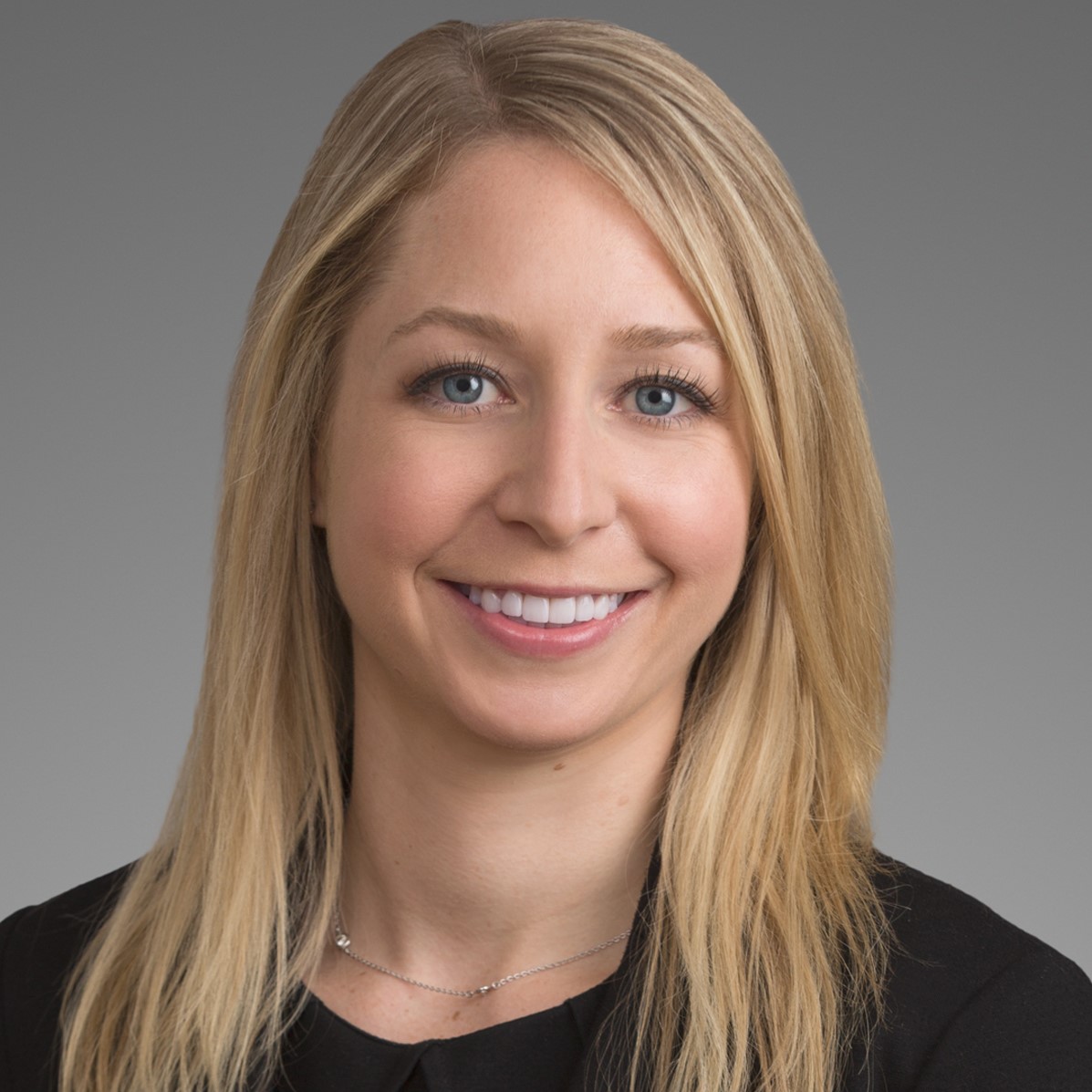
Lisa M. Harris is a Partner in the Labor and Employment Practice Group with the law firm of Sheppard, Mullin, Richter & Hampton LLP in the firm’s Orange County and New York offices. Lisa’s practice focuses on Labor and Employment and Diversity, Equity and Inclusion counseling and compliance. Ms. Harris counsels and represents management in both employment and traditional labor matters. She regularly conducts and advises on high-level investigations and trains HR professionals on how to conduct such investigations internally. She also advises on diversity, equity and inclusion best practices. As a member of the firm’s ESG and Sustainability Industry Team, Ms. Harris supports clients in addressing the social aspects of ESG through development and promotion of a healthy and equitable workplace.

Lisa received her J.D. from St. John’s University, Dean’s List, and her B.A. from University of California, Berkeley.

Christine L. Doyle is Special Counsel in the Labor and Employment Practice Group with Sheppard, Mullin, Richter & Hampton LLP in the firm’s Orange County office. Christine has experience in a broad range of immigration law, with a focus on employment-based immigrant and nonimmigrant visa petitions. She has numerous years of experience counseling employers and their employees on U.S. immigration, global immigration, and I-9 compliance matters.

Christine is a regular contributor to the California Labor and Employment ALERT Newsletter and Sheppard Mullin’s Labor & Employment Law, French Desk Law, and Latin American Law blogs. She received her J.D. from Pepperdine University and her B.A. from Boston College. She also served as an extern at the Los Angeles Immigration Court and Department of Justice.

Andrew J. Desposito is Special Counsel in the Labor and Employment Practice Group with Sheppard, Mullin, Richter & Hampton LLP in the firm’s Orange County office. Andrew’s practice focuses on business immigration including I-9 compliance, EB1A, EB1B, National Interest Waivers, H1B, and E-2 and L1 matters.

Andrew frequently lectures on immigration issues and is a regular contributor to the California Labor and Employment ALERT Newsletter and Sheppard Mullin’s Labor & Employment Law, French Desk Law, and Latin American Law blogs. He received his J.D. from the California Western School of Law and his B.A. from the Loyola University of Chicago.

EEOC RELEASES ITS GOALS AND PRIORITIES FOR THE NEXT FOUR YEARS

On January 10, 2023, the U.S. Equal Employment Opportunity Commission (“EEOC”) released a draft of its Strategic Enforcement Plan (“SEP”) for the years 2023 through 2027. The final SEP is meant to establish the EEOC’s enforcement priorities and goals for the years to come and the final plan is subject to approval by a vote of the EEOC. However, before the SEP is finalized, the public can submit comments on the draft through February 9, 2023 at the website regulations.gov. Thus, employers might benefit from reviewing the topics the EEOC intends to focus on to determine if providing any public comments may serve their interests.

In its current form, the draft SEP indicates that the EEOC will focus on the following topics or “subject matter priorities” over the next four years:

1. Recruitment And Hiring, Including The Use Of Artificial Intelligence

The EEOC intends to focus on recruitment and hiring practices and policies that discriminate against racial, ethnic, and religious groups, older workers, women, pregnant workers and those with pregnancy-related medical conditions, LGBTQI+ individuals, and people with disabilities.

The SEP notes that this will include a focus on the use of artificial intelligence or machine learning to target job advertisements, recruit applicants, or make or assist in hiring decisions. Similarly, this focus would include reviewing screening tools or requirements that disproportionately impact workers based on their protected status. The EEOC also intends to review job advertisements that might exclude or discourage certain demographic groups from applying.

Relatedly, the EEOC intends to focus on policies or practices that limit access to on-the-job training, pre-apprenticeship or apprenticeship programs or other job training opportunities based on a protected status.

The SEP also explains that the EEOC is particularly concerned with the lack of diversity in certain industries such as “construction and high tech” and industries that benefit from substantial federal investments, indicating the EEOC may focus on recruitment and hiring in these particular industries.

2. Protecting Vulnerable Workers

The EEOC also noted that it intends to focus on certain vulnerable workers and persons from underserved communities who may be impacted by employment discrimination or harassment, including the following categories of individuals: immigrant and migrant workers; people with developmental or intellectual disabilities; individuals with arrest or conviction records; LGBTQI+ individuals; temporary workers; older workers; individuals employed in low wage jobs, particularly teen-aged workers employed in such jobs; Native Americans/Alaska Natives; and persons with limited literacy or English proficiency.

3. Protecting Individuals Affected By Pregnancy

The EEOC will also prioritize “emerging and developing issues,” which includes protecting individuals affected by pregnancy, childbirth, and related medical conditions under the Pregnancy Discrimination Act. The EEOC also intends to focus on enforcing the newly enacted Pregnant Workers Fairness Act, which requires employers to make reasonable accommodations for those affected by pregnancy, childbirth, and related medical conditions.

4. Discriminatory Acts In Response To Global Events

The EEOC also flagged discrimination influenced by or in response to local, national or global events as another “emerging and developing issue.” The SEP notes that this category currently includes African Americans, individuals of Arab, Middle Eastern, or Asian descent, Jews, Muslims, and Sikhs. However, the EEOC acknowledged that these designations may change based upon current events.

The EEOC also explained that it will continue to focus on discriminatory acts associated with the COVID-19 pandemic and other threats to public health. The SEP takes note of the significant pandemic-related stereotyping and discrimination targeting certain groups, including persons of Asian descent, older workers, and persons with disabilities.

5. Equal Pay

The EEOC will continue to focus on combatting pay discrimination in all its forms, including on the basis of sex under the Equal Pay Act and on other protected bases covered by federal anti-discrimination laws. The EEOC stated that it will continue to use directed investigations and Commissioner Charges to facilitate enforcement of equal pay laws.

6. Employer Agreements

The EEOC also announced its intention to focus on policies and practices that purportedly limit substantive rights, discourage or prohibit individuals from exercising their rights under employment discrimination statutes, or impede the EEOC’s efforts. To that end, the EEOC intends to target the following types of agreements: settlement agreements and releases, non-disclosure agreements, non-disparagement agreements, and arbitration provisions.

7. Systemic Harassment

The EEOC noted that over 34% of its recent charges include harassment allegations. Accordingly, the EEOC stated that it will continue to focus on combatting systemic harassment in all forms. This priority focuses on widespread patterns or practices of harassment, even if a claim is brought by an individual, if there is some relation to a widespread pattern. The EEOC states that it will accomplish this goal by focusing on strong enforcement with appropriate monetary relief and targeted equitable relief to prevent future harassment.

To read more articles like this one, subscribe to the ALERT Newsletter today!


About The Author

Rachel Patta Howard is an associate in Sheppard Mullin’s Labor and Employment Practice Group in the firm’s Century City office. Ms. Howard represents employers in a variety of industries including financial services, banking, retail, healthcare, manufacturing, and entertainment. She has successfully litigated and favorably resolved cases involving allegations of discrimination, retaliation, harassment, failure to accommodate, wrongful termination, trade secret misappropriation, and defamation, as well as wage and hour cases, including representative and class actions. Additionally, Rachel advises and counsels clients on day-to-day employment issues including internal investigations, discipline and terminations, leaves of absence, the interactive process, reasonable accommodations, personnel policies, and other wage and hour compliance issues.

She has written a number of articles for the Sheppard Mullin Labor and Employment Blog and is a contributing author of the ALERT Newsletter.

Ms. Howard received her law degree, as well as her undergraduate degree, from the University of California, Los Angeles.

ICE ANNOUNCES JULY AND AUGUST DEADLINES FOR EMPLOYERS: PREPARING FOR THE DHS PLANNED SUNSET OF THE COVID PANDEMIC REMOTE I-9 VERIFICATION ACCOMMODATIONS

The Department of Homeland Security (“DHS”) announced on May 4, 2023 a planned end to the COVID-19 remote I-9 flexibility. The flexibility ends on July 31 and prior pandemic I-9s must be remediated by Aug 30, 2023. Therefore, employers should act quickly to review and remediate I-9s that were verified remotely in the past three years.

Recommended Procedures For Remediating I-9s Completed Remotely:

• Create a list of all of the company’s new hires from March 20, 2020 to date. Pull all of their I-9s and determine which ones had their documents verified remotely.

• Also pull all of the I-9s from March 20, 2020 of existing employees that were reverified (i.e., expiring EAD work permits, expiring I-94s for H-1B and other visa holders, etc.) and determine which ones were remotely verified.

• Then arrange to have the employee come into the office with their original work authorization documents or authorize an individual who lives near them to complete the task on behalf of the company.

• Either way, Section 2 should be updated with a notation in the Additional Information Box: “Original documents viewed in person on x date” with their signature.

Best Efforts And Risk Assessment:

Of course, your company will want to do the best you can and try to reach 100% compliance. Since achieving perfect compliance may be difficult for some employers, it is helpful to consider the larger risk assessment. Specifically, I-9 audits by U.S. Immigration and Customs Enforcement (“ICE”) are very rare. Statistically, probably 1 in 1,000 companies are audited. While nobody knows how ICE will handle an audit which also involves I-9s created during the pandemic, it seems unlikely that ICE will take a punitive approach toward a company that did not reverify in person. DHS does have a proposed rule to make remote verification via e-mail, fax, or video permanent. But, the rule is not final yet, so that is why the agency is telling employers to finish the verification task under the old rule.

DHS Has Proposed To Make The Remote I-9 Pandemic Rule Permanent:

The proposed rule may become final as soon as August. While nobody knows for certain what the final rule will look like, our guess is that DHS will indicate that the rule applies only to new I-9s moving forward and not formally make it retroactive.

Vendors To Assist With Remote Verifications:

As to brand new hires going forward that are 100% remote or those hired during the pandemic, the ideal practice is to authorize someone living in that city to act on behalf the company as an authorized signatory to review the original I-9 work authorization documents in the field and then complete Section 2 or 3 of the I-9 in the field. There are a few vendors now providing this service. In addition, the large payroll providers have started a network for remote I-9 assistance. In some situations, a notary may be willing to assist as well. However, in California, notaries cannot do so unless they are also bonded immigration consultants.

Historical Perspective – The I-9 Was Created In 1986 Before Remote Work:

It’s nice that USCIS has proposed a regulation to make remote I-9 verification permanent. This would be beneficial for several reasons.

First, of course, is the growing wave of remote employment where the employee is not able to come to the office where the company’s human resources department is located.

Second, the requirement of in-person verification was created in 1986 by the legacy INS as part of the IRCA I-9 requirement. The rule was well intended – namely that the employer would look at the documents and determine if they are real. At the time, there were only fax machines, and the quality of a fax of a work authorization document was not very clear.

However, in the 1990s the ability to create false documents that looked very real became rampant. Then came scanners, crystal clear PDFs, high-quality e-mail, video calls, etc. Therefore, today whether the documents are reviewed in person or remotely, an employer never really knows for sure if the documents are real. They can only attest that they look real and that the person’s documents confer work authorization. Therefore, the proposed rule allowing remote verification is a good practical solution in light of technological advancements.

Strategies To Minimize Risk With I-9s:

I-9 Software: Purchasing a digital I-9 software system that is compliant with ICE protocols can be very helpful in minimizing I-9 completion errors. Being ICE compliant means that the software provides a complete audit trail of who touches the I-9, when, and what was done. Digital software will flag many errors at the time of completion. Please note that merely scanning a paper I-9 into an Adobe PDF will not comply with ICE requirements.

Training: Any individual that is involved in the I-9 process should be properly trained.

DOJ Immigrant & Employee Rights (“IER”): The IER unit at the Department of Justice (“DOJ”) is very aggressive. If an employer erroneously denies employment to someone who they didn’t think was work authorized, no matter how well intended, DOJ will issue a large civil investigation demand, name and shame the company, and fine them.

Consult With Counsel: When you encounter any unusual I-9 issues, consult with experienced employment counsel to avoid creating liability, both as to onboarding as well as terminations.

To read more articles like this one, subscribe to the ALERT Newsletter today!


About The Authors

Greg L. Berk is a Partner in the law firm of Sheppard, Mullin, Richter & Hampton LLP in Orange County. He leads the Firm’s immigration practice and is a Certified Specialist in Immigration and Nationality Law by the State Bar of California Board of Legal Specialization>. He has over 25 years of experience advising on all aspects of U.S. immigration matters. He assists employers worldwide with the hiring and retention of foreign national executives and highly talented individuals that are needed in their U.S. workforce. He also works with investors on E-2, L-1, and EB-5 matters. He also handles I-9 and other immigration compliance matters.

Greg frequently lectures on immigration issues and is a regular contributor to the California Labor and Employment ALERT Newsletter and Sheppard Mullin’s Labor & Employment Law blog. Mr. Berk received his J.D. from Western State University College of Law, his M.B.A. from George Washington University and his B.A. from California State University.

Christine L. Doyle is Special Counsel in the Labor and Employment Practice Group with Sheppard, Mullin, Richter & Hampton LLP in the firm’s Orange County office. Christine has experience in a broad range of immigration law, with a focus on employment-based immigrant and nonimmigrant visa petitions. She has numerous years of experience counseling employers and their employees on U.S. immigration, global immigration, and I-9 compliance matters.

Christine is a regular contributor to the California Labor and Employment ALERT Newsletter and Sheppard Mullin’s Labor & Employment Law, French Desk Law, and Latin American Law blogs. She received her J.D. from Pepperdine University and her B.A. from Boston College. She also served as an extern at the Los Angeles Immigration Court and Department of Justice.

Andrew J. Desposito is Special Counsel in the Labor and Employment Practice Group with Sheppard, Mullin, Richter & Hampton LLP in the firm’s Orange County office. Andrew’s practice focuses on business immigration including I-9 compliance, EB1A, EB1B, National Interest Waivers, H1B, and E-2 and L1 matters.

Andrew frequently lectures on immigration issues and is a regular contributor to the California Labor and Employment ALERT Newsletter and Sheppard Mullin’s Labor & Employment Law, French Desk Law, and Latin American Law blogs. He received his J.D. from the California Western School of Law and his B.A. from the Loyola University of Chicago.

SUPREME COURT AGREES TO DECIDE TIME-ROUNDING ISSUES

1. The Camp v. Home Depot Decision

On October 24, 2022, a California Court of Appeal decided a time-rounding decision that could be extremely troublesome. In Camp v. Home Depot USA, Inc., 84 Cal. App. 5th 638 (2022), the court opined that no provision in the Labor Code or Wage Orders expressly allows or prohibits time rounding. It observed that the California Supreme Court had not directly decided the precise rounding issues raised in the case before it and determined that the “total time” rounding practices in issue were not permissible.

The court did not stop there. After stating that the rounding of the plaintiff’s total time was inconsistent with public policy, it urged the Supreme Court to address both the narrow rounding issues raised in the Home Depot case and conduct a broader examination of rounding practices allowed in other decisions.

a. Earlier Cases Approved Specific Rounding Practices

The Home Depot decision is at odds with the 2012 decision in See’s Candy Shops, Inc. v. Superior Court, 210 Cal. App. 4th 889 (2012). In See’s the California Court of Appeal held that time rounding policies are lawful under California law if they are neutral on their face and as applied and meet other specified standards. Federal cases throughout the country have also recognized the validity of time rounding practices that meet these standards. Since 2012, numerous courts have followed the See’s Candy decision and applied it in other contexts to a variety of time rounding policies and practices.

The Home Depot court invited the Supreme Court to consider the validity of the rounding standard articulated in See’s Candy where an employer captured all the minutes an employee has worked before applying a quarter-hour rounding policy. It also invited the Supreme Court to address the legality of neutral time rounding by employers and provide guidance on the general propriety of time rounding in view of the “technological advances” that now “help employers to track time more precisely.”

b. The Supreme Court Will Review Rounding

The Supreme Court agreed in February to review the Home Depot decision because the Supreme Court may express views on rounding that reverberate beyond the Home Depot decision itself and touch upon principles established in other cases, including See’s Candy, the case may have broad-ranging significance to all California employers. Furthermore, because the Supreme Court’s decisions ordinarily apply retroactively, employers who utilize rounding practices would be prudent to examine them with their employment counsel as soon as possible.

It bears noting that Richard J. Simmons, Daniel McQueen and Tyler Johnson of Sheppard Mullin have been asked to file an amicus brief with the Supreme Court laying out the employer-side perspective for the California Employment Law Council (“CELC”) and the Employers Group.

2. Background

The plaintiffs, Delmer Camp and Adriana Correa, filed a proposed class action for unpaid wages against Home Depot USA, Inc. They alleged that Home Depot’s electronic time-keeping system captured each minute worked by employees; however, due to Home Depot’s quarter-hour rounding policy, some employees were paid for less time than reflected in the timekeeping system. In actuality, employees had different personal experiences. For example, Correa was overpaid under Home Depot’s practices while Camp was underpaid.

a. The Rounding System Resulted In Overpayment Of One Plaintiff And Underpayment Of The Other

One of the plaintiffs, Correa, agreed that Home Depot’s rounding system did not cause her to be underpaid. Rather, because it resulted in the overpayment of wages in her case, she dropped her claim. In contrast, according to Home Depot’s own evidence, the other plaintiff, Camp, lost a total of 470 minutes over approximately 4 1/2 years due to the rounding policy. Home Depot moved for summary judgment, arguing that its rounding policy was neutral on its face, neutral as applied, and otherwise lawful under the principles set out in See’s Candy. The trial court agreed and granted Home Depot’s summary judgment motion.

b. The Employee’s Appeal

On appeal, Camp contended that notwithstanding See’s Candy, neither the Labor Code nor the relevant Wage Order authorizes time rounding that results in an individual employee failing to receive compensation for all time worked. Based on the particular facts of the case and in view of the guidance provided by more recent Supreme Court opinions in Troester v. Starbucks Corp., 5 Cal. 5th 829 (2018), and Donohue v. AMN Services, LLC, 11 Cal. 5th 58 (2021), the court of appeal reversed the judgment and directed the trial court to enter a new order denying summary judgment. It concluded that, in relying on its quarter-hour rounding policy, Home Depot did not meet its burden by showing that there was no triable issue of material fact regarding Camp’s claims for unpaid wages where Home Depot tracked the exact time in minutes the employee worked each shift and its records showed that Camp was not paid for all the time he worked. Disregarding principles embraced in other cases, the court looked at Camp’s individual claim and disregarded the fact that his co-plaintiff, Correa, had been overpaid based on the same rounding policy.

c. The Court Limited Its Opinion

The court was careful to limit its analysis and holding to the specific facts before it. It made clear that it did not reach the issue of whether employer time rounding practices in other contexts comply with California law. For example, it did not address the application of See’s Candy and its progeny to other circumstances, such as when an employer uses a neutral rounding policy due to the inability to capture the actual minutes worked by an employee. The court emphasized that it did not reach the issue of whether an employer who has the actual ability to capture an employee’s minutes worked is required to do so.

In order to understand the scope of the court’s decision, it is important to consider the rounding practices that were in dispute, a practice where the employer recorded time to the minute and then rounded total time. Yet, despite the court’s attempt to underscore the limitations on its holding, it can be anticipated that the case will generate uncertainty in the area that will persist until the Supreme Court speaks on the topic.

3. Home Depot’s Rounding Policy

Home Depot presented evidence describing its time-keeping and rounding practices. It utilized an electronic software system, “Kronos,” to record hourly employees’ time punches. Hourly employees punched in and out at the beginning and end of their work shifts, as well as for meal breaks. The Kronos system then captured the punch time through the minute.

Unlike a rounding system that looked at each time punch individually, Home Depot rounded total shift time. Specifically, each employee’s total shift time was rounded to the nearest quarter-hour to calculate his or her pay for that period. When total shift time falls between the quarter hour, a time increment of seven minutes or less is rounded down to the nearest quarter hour, while a time increment of eight minutes or more is rounded up to the next quarter hour. For example, if the total shift time was recorded as six hours and three minutes, the time was rounded down to a total of 6.00 hours. If the total shift time was six hours and eight minutes, the shift time was rounded up to 6.25 hours, i.e., 6 1/4 hours.

Camp worked for Home Depot as a non-exempt employee since March 2015. His time and pay records showed that between March 30, 2015 and October 20, 2020, he worked 1,240 shifts. At various points in time, he gained minutes or lost minutes due to rounding. During the entire period, however, the evidence submitted by Home Depot with its summary judgment motion showed he personally suffered a total net loss of 470 minutes, or approximately 7.83 hours over the 4 1/2 year period, due to rounding.

4. The Court’s Description Of The 2012 See’s Candy Decision

In See’s Candy, the appellate court concluded that employer time rounding policies may be lawful in California. The employer’s timekeeping software system required employees to punch into the system at the beginning and end of their shifts, as well as for lunch breaks. The Kronos punch showed the actual time (to the minute) when the employee punched into the system. Pursuant to the time rounding policy, in and out punches were rounded (up or down) to the nearest 10th of an hour (every six minutes beginning with the hour mark). The time punches were thus rounded to the nearest three-minute mark.

The court of appeal observed that although California employers had long engaged in time rounding, there was no California statute or case law specifically authorizing or prohibiting the practice. It then examined the federal regulations promulgated under the federal Fair Labor Standards Act. Notably, the federal standards had been adopted by the California Division of Labor Standards Enforcement.

The See’s Candy court ultimately held that “the rule in California is that an employer is entitled to use the nearest-tenth rounding policy if the rounding policy is fair and neutral on its face” and “it is used in such a manner that it will not result, over a period of time, in failure to compensate the employees properly for all the time they have actually worked.” In the decade since the See’s Candy opinion was filed in 2012, numerous other courts have found time rounding lawful under California law. (It bears noting that the employer in See’s Candy rounded individual time punches. In contrast, Home Depot rounded total shift time.)

5. The Discussion Of Troester v. Starbucks Corp.

Troester was decided in 2018, six years after See’s. The Supreme Court considered an employee’s claim for unpaid wages where the employer required employees to work off the clock several minutes per shift. The Supreme Court held that the federal de minimis doctrine did not apply to state law claims for unpaid wages in the circumstances addressed. The de minimis doctrine may in some circumstances excuse the payment of wages for small amounts of otherwise compensable time upon a showing that the bits of time are administratively difficult to record. The Supreme Court referenced the See’s Candy case in Troester, but did not directly analyze the propriety of employer time rounding.

Even though Troester did not reject the principle of time rounding, the Home Depot court found it probative as to several points. For example, Troester did discuss the aggregate effect of failing to pay an employee for a few extra minutes of work each day because the time can add up. In Troester, for instance, the plaintiff sought payment for 12 hours and 50 minutes of compensable work over a 17-month period, which amounted to $102.67 at a wage of $8 per hour. The Supreme Court also commented that employers are in a better position than employees to devise means to track small amounts of regularly occurring worktime. Further, Starbucks had restructured the work so that employees would no longer have to work before or after clocking out. Finally, the Supreme Court observed that “technological advances” may help with tracking small amounts of time.

6. The Discussion Of Donohue v. AMN Services, LLC

In Donohue, the Supreme Court addressed the issue of time rounding in the specific context of meal periods. It explained that California’s meal period provisions are designed to prevent even minor infringements on meal period requirements, and rounding individual meal punches is incompatible with that objective. In fact, small rounding errors can amount to a significant infringement on an employee’s right to a 30-minute meal period. The court in Home Depot carefully selected passages in Donohue that it believed supported a new view on the permissibility of time rounding, even outside of the meal period context.

7. The Court’s Analysis

After reviewing the caselaw in the area, the Home Depot court began its analysis. It noted that Home Depot chose to pay nonexempt employees, such as Camp, by the hour. Where an employer has agreed to pay compensation, as measured by a unit of time, none of the authorities cited by Home Depot indicates that an employer may round captured work minutes where it results in the failure to pay an employee for all minutes worked. Under the guidance and direction of Troester and Donohue, “if an employer, as in this case, can capture and has captured the exact amount of time an employee has worked during a shift, the employer must pay the employee for “all the time” worked.” Because Home Depot did not show there was no triable issue of material fact regarding the claim for unpaid wages, it should not have been granted summary judgment.

The court observed that it had been well settled for nearly a decade that neutral time rounding is lawful under California law. However, it noted that the Supreme Court has never decided the validity of the rounding standard articulated in See’s Candy. It thus reasoned that the application of See’s Candy should be re-examined in circumstances “where employee worktime in minutes can be captured and has been captured by the employer and, as a result of a quarter-hour rounding system, the employee is not compensated for all actual worktime.

8. Additional Resources

The Supreme Court has agreed to review the Home Depot decision and the question: “Under California law, are employers permitted to use neutral time-rounding practices to calculate employees’ work time for payroll purposes?” It is not yet clear whether it will confine its review to the narrow issues resolved in Home Depot or whether it will examine rounding principles on a broader basis.

Employers that use rounding practices should understand and discuss the significance of the Home Depot decision with their employment attorneys. For more information regarding state and federal laws relating to timekeeping and rounding practices, readers can consult Section 7.18 of the Wage and Hour Manual for California Employers (26th Edition) by Richard J. Simmons of Sheppard Mullin. The new edition of the publication is available from Castle Publications, LLC.

To read more articles like this one, subscribe to the ALERT Newsletter today!


About The Author

Richard J. Simmons is a Partner in the law firm of Sheppard, Mullin, Richter & Hampton LLP in Los Angeles. He represents employers in various employment law matters involving litigation throughout the country and general advice regarding state and federal wage and hour laws, employment discrimination, wrongful discharge, employee discipline and termination, employee benefits, affirmative action, union representation proceedings, and arbitrations. Mr. Simmons received his B.A., summa cum laude, from the University of Massachusetts, where he was a Commonwealth Scholar and graduated in the Phi Kappa Phi Honor Society. He received his J.D. from Berkeley Law at the University of California at Berkeley where he was the Editor-in-Chief of the Industrial Relations Law Journal, now the Berkeley Journal of Employment and Labor Law.

Mr. Simmons argued the only case before the California Supreme Court that produced a victory for employers and business in 2018. He was recently recognized as the Labor and Employment Attorney of the Year by the Los Angeles Business Journal and was inducted into the Employment Lawyers Hall of Fame. He has lectured nationally on wage and hour, employment discrimination, wrongful termination, and other employment and labor relations matters. He is a member of the National Advisory Board to the Berkeley Journal of Employment and Labor Law, published by Berkeley Law at the University of California at Berkeley. He was also appointed by the California Industrial Welfare Commission as a member of three Minimum Wage Boards for the State of California.

CITY OF LOS ANGELES FAIR WORK WEEK ORDINANCE SET TO TAKE EFFECT ON APRIL 1, 2023

Over the past ten years, several jurisdictions have enacted “fair work week” ordinances, including Chicago, San Francisco, and New York City. Not to be outdone, the City of Los Angeles recently passed the Los Angeles Fair Work Week Ordinance (the “Ordinance”), which imposes several requirements on retail employers related to scheduling and hiring employees. The Ordinance will go into effect on April 1, 2023 with an initial grace period of 180 days. Full enforcement of the ordinance, including fines and penalties, will begin on September 28, 2023.

1. Who Is Covered By The Ordinance?

The Ordinance applies to employers with 300 or more employees globally, and identified as a retail business in the North American Industry Classification System (NAICS). The NAICS is the standard used by Federal statistical agencies in classifying business establishments. The Ordinance is expressly limited to businesses within the retail trade categories and subcategories 44 through 45. The NAICS website (naics.com) includes a detailed breakdown of these categories.

In addition, for the Ordinance to apply, the employer must exercise control over the wages, hours or working conditions of the employee. Workers employed through temporary services, staffing agencies, subsidiaries and certain franchises count toward the 300 global employee threshold.

An employee is covered by the Ordinance in any particular work week when they perform at least two hours of work within the geographic boundaries of the City of Los Angeles for a covered employer and is entitled to earn the state minimum wage. Thus, the Ordinance covered employers based outside of the City of Los Angeles would need to meet the requirements of the Ordinance for employees that perform at least two hours of work within the city in a particular work week.

2. Employer Requirements

The Ordinance imposes several requirements on covered employers. The key requirements are summarized below.

a. Good Faith Work Schedule Estimates

Under the Ordinance, covered employers are required to provide all employees with a good faith estimate of their future work schedules. For new employees, the estimate must be provided before hiring. For current employees, the estimate must be provided within ten days of an employee’s request. If an employee’s actual work hours substantially deviate from the estimate, employers must have a documented, legitimate, business reason that was unknown at the time of the estimate, to substantiate the deviation.

b. Right To Request Changes To Work Schedules

Covered employers must engage with employees on their preferences for certain times, hours, or locations for their work schedule. Employers may accept or decline requests, but the reason for a denial must be provided to employees in writing.

c. Right To Request Changes To Work Schedules

Covered employers must provide employees advance notice of their work schedules at least 14 days before the start of a work period, by posting the schedule in an accessible location or by electronically sending the schedule. If the employer makes changes to an employee’s work schedule with less than 14 days’ notice, the employer must provide the employee with written notice of those changes. Employees have the right to decline certain changes to their work schedule that are made with less than 14 days’ notice. If an employee voluntarily consents to the changes, the consent must be in writing.

d. Offer Additional Work Hours To Current Employees

Covered employers must offer work to current employees before hiring a new employee or using a contractor, temporary service or staffing agency to perform the work if at least one employee is qualified to do the work and additional work hours would not result in the payment of overtime. The employer needs to make the offer for additional work hours to each employee either in writing or by posting the offer in in the workplace. Employers must make the offer 72 hours prior to hiring any new employee unless all employees provide written confirmation that they are not interested. Employees have 48 hours to accept the offer of additional hours in writing.

e. Provide Predictability Pay

The Ordinance calls for the payment of “Predictability Pay” for certain employer-initiated changes to work schedules made with less than 14 days’ notice from the start of the work period, as set forth in the chart below.

Employer-initiated Change Predictability Pay
Increase in hours that exceeds 15 minutes One hour at the employee’s regular rate of pay
Change to the date, time, or location (but no change in hours) One hour at the employee’s regular rate of pay for each change
Reduction of hours by at least 15 minutes Hours not worked at one-half the employee’s regular rate of pay
On-call shift, when the employer does not call the employee to perform work Hours not worked at one-half the employee’s regular rate of pay


Certain conditions may exempt employers from having to provide Predictability Pay, including employee initiated schedule changes, employee acceptance of a schedule change due to an absence of another scheduled employee, reduced hours as a result of an employee’s violation of law or an employer’s policies and procedures, and the additional hours requiring the payment of overtime.

f. Rest Between Shifts

Employers must obtain an employee’s written consent before scheduling any shift that starts less than ten hours after the employee’s last shift and must pay employees time and a half for the shift following the insufficient time period.

g. Retention Of Documents

Employers must retain all records required by the Ordinance for at least three years. These records include:

• Work schedules

• Copies of written offers and responses for additional work hours

• Written correspondence about work schedule changes

• Good faith estimates of work schedules, and

• Any other records that may be required to comply with the ordinance

h. Poster

Covered employers must post the Office of Wage Standard notice regarding the Ordinance. As of the date of publication for this article, the Office of Wage Standard website (wagesla.lacity.org) states that posters will be made available soon.

3. Administrative Penalties And Fines For Violations

Employers who violate the Ordinance may have to pay restitution and penalties to each employee whose rights have been violated. Employers may also be liable to the City for a penalty of up to $50 per day that Predictability Pay is unlawfully withheld and additional administrative fines for other violations of the ordinance.

Each and every day that a violation exists constitutes a separate and distinct violation. Any subsequent violation of the same provision by the same employer within three years may result in a 50 percent increase in the maximum administrative fine allowed.

4. Civil Enforcement

Employees may be entitled to restitution and additional penalties for any violations of the Ordinance. An employee may file a complaint with the Office of Wage Standards so long as the following takes place:

(1) The employee provides written notice to the employer of the Ordinance violations. The notice should name the provisions of the Ordinance alleged to have been violated and provide facts to support the alleged violations; and

(2) The employer does not take action to cure the named violations within 15 calendar days from receipt of the written notice

5. Takeaway

The Los Angeles Fair Work Week Ordinance is a complicated and onerous regulation. The above is only a summary of the Ordinance’s requirements. Employers that may be subject to the Ordinance are advised to consult with qualified counsel to determine whether they are covered and how to comply with the new regulation. Additionally employers in other industries (and those outside of Los Angeles) that are not subject to the Ordinance are advised to pay attention as it is increasingly likely that similar scheduling requirements may impact employers in other cities and industries.

To read more articles like this one, subscribe to the ALERT Newsletter today!


About The Author

Ryan J. Krueger is a Partner with Sheppard, Mullin, Richter & Hampton LLP in the firm’s Los Angeles office. He specializes in labor and employment matters on behalf of employers, including wage and hour violations, employment discrimination, wrongful termination and sexual harassment. Mr. Krueger has experience in all aspects of employment litigation, including brief writing and oral argument, taking and defending depositions, and negotiating settlements. He has also second chaired multiple trials and arbitrations, and argued before the California Court of Appeal. Mr. Krueger also regularly counsels employers regarding California and federal employment law issues.

Ryan is a co-author of the California’s Private Attorneys General Act (PAGA) Litigation and Compliance Manual, a contributing author to the Employer’s Guide to COVID-19 and Emerging Workplace Issues and the ALERT Newsletter. He is a co-speaker at the Castle Publications’ Seminars as well as the Labor Law Update for Sheppard Mullin.

He received his J.D. from the University of California, Los Angeles and his B.A. from the University of Wisconsin, with distinction. During law school, Mr. Krueger served as extern to the Honorable Morton Denlow, U.S. District Court for the Northern District of Illinois. He is admitted to practice in all California state courts, along with the United States District Court for the Central District of California and the Ninth Circuit Court of Appeals.

EMPLOYER CALLING EX-EMPLOYEES “CRIMINALS” AND “LIARS” MUST DEFEND DEFAMATION LAWSUIT

California has a proud history of supporting free speech rights, even unpopular and arguably defamatory speech, on the grounds that people should not be punished for speaking on topics that are in the public interest or relate to ongoing litigation. In 1992, California became the first state to enact an anti-SLAPP statute (the acronym SLAPP stands for “Strategic Lawsuit Against Public Participation”). California’s anti-SLAPP laws provide a mechanism for a defendant to file a special motion to strike a complaint where the allegations arise from the defendant’s protected speech. The issue of whether certain speech is protected under the anti-SLAPP statute or rises to the level of defamation, often comes up in the context of employment disputes, where one or both parties make serious accusations against the other. Drawing the line between what speech is and is not protected by the anti-SLAPP statute can become especially complicated. In Lawler v. Guillon Enterprises, __ Cal.App.5th __ (2022), the California Court of Appeal issued an unpublished decision further clarifying when an employer has crossed that line.

1. Jury Verdict And Judgment Against The Employer

The three plaintiffs in Lawler were former employees of Crush Steakhouse in Ukiah, California (“Crush”). After leaving Crush, they filed lawsuits against the restaurant and its parent company for gender and pregnancy discrimination, sexual harassment, and various wage and hour claims. In March of 2020, the court entered a judgment in favor of the plaintiffs for $305,000 against Crush, $125,000 against a Crush manager who was found to have sexually harassed two of the plaintiffs, and $135,000 in attorney’s fees and costs.

2. Letter Defaming The Plaintiffs Sent To Crush Employees

After the court finalized the judgment one of Crush’s co-owners wrote a letter, which was later distributed to 80 Crush employees, stating that due to the judgment, the restaurant would be permanently closing. The co-owner wrote that the three plaintiffs “conspired” to sue Crush and were awarded by the jury “for lying on the stand” and doing a “great acting job.” The co-owner then referred to the plaintiffs’ attorney as being “crooked” whose “only accomplishment” was to “teach witness[es] how to lie in court.” The letter ended by referring to the plaintiffs as “criminals.”

3. The Plaintiffs Defamation Lawsuit And The Trial Court’s Denial Of The Anti-SLAPP Motion

A few months after the restaurant’s co-owner distributed the letter, and after the restaurant filed for bankruptcy, the three plaintiffs filed a defamation lawsuit against various entities owned and controlled by the author of the letter. In response to the defamation lawsuit, the defendants filed an anti-SLAPP motion. Defendants argued that the letter contained protected speech under two separate provisions: first that it constitutes “litigation activity” (Cal. Code of Civil Procedure Section 425.16(e)(2)); and second that it was written in connection with a “public issue” (Cal. Code of Civil Procedure Section 425.16(e)(3) and (e)(4)). Defendants argued that the “public issue” involved the question of whether unlawful activities occurred at Crush and whether the restaurant would close as a result of the lawsuit.

The trial court denied the defendants’ anti-SLAPP motion. The court found that the challenged statements did not fall under either section. First, the court concluded that the letter was published to Crush employees only, not to the general public, and that it concerned “details of Plaintiffs’ experiences” that were not of public significance. The court noted that while the circumstances of the restaurant’s closing may have been a legitimate public concern, that did not insulate the allegedly defamatory statements. And second, the court concluded that the letter was not written in connection with a judicial proceeding because there was no case involving Crush pending at the time the letter was published. Moreover, if the letter was intended to inform employees about the closure and pending bankruptcy, referring to the plaintiffs as liars and criminals, was unnecessary in the court’s view.

The defendants appealed the order allowing the defamation claims to proceed past the pleading stage. The Court of Appeal affirmed the order denying the defendants’ anti-SLAPP motion.

4. The California Supreme Court’s FilmOn.com Test

The Court of Appeal took issue with the defendants’ characterization of the letter as being made to address concerns in the “public interest.” The court reasoned that it is not sufficient that the challenged speech in some manner relates to the public interest. Rather, to prevail on an anti-SLAPP motion, defendants must show that the statements “contribute to” the public debate about those issues. In reaching this conclusion, the court relied heavily on the California Supreme Court’s decision in FilmOn.com Inc. v. DoubleVerify Inc., 7 Cal.5th 133 (2019).

In FilmOn.com, the defendant, DoubleVerify, provided clients with paid confidential reports including information from websites that its clients may want to advertise on. These confidential client reports note if, according to DoubleVerify, a website contains “Adult Content” or “Copyright Infringement.” FilmOn.com filed suit claiming that these labels discouraged potential advertisers. The defendant responded to the lawsuit with an anti-SLAPP motion, which the trial court granted, and the appellate court affirmed.

The California Supreme Court reversed the appellate court’s ruling, finding that the confidential client reports were not in the public interest as contemplated by the statute. According to the Supreme Court, when analyzing whether a communication is in the “public interest” courts must “not only [analyze] its content, but also [] its location, its audience, and its timing.” The Court recognized that while the “Adult Content” label on a website is important, in order to be protected speech, the statement must actually contribute to public debate. And because DoubleVerify’s confidential reports were solely for business purposes, they were “too remotely connected to the public conversation [regarding adult content and copyright infringement] to merit protection under the [anti-SLAPP law’s] catchall provision.” FilmOn.com, supra, at 140.

The Court in FilmOn.com went on to establish a two-party test to determine whether alleged wrongful conduct by the defendant falls under the anti-SLAPP’s statutes “catchall provision.” First, as to the challenged speech, trial courts must determine whether the statement implicates a public issue or is of an issue of public interest. This may include any of the following categories that constitute a “public interest”: (1) a person or entity in the public eye; (2) conduct that could directly affect a large number of people beyond the direct participants; or (3) a topic of widespread public interest. And second, assuming the alleged conduct is sufficiently in the public interest, in determining whether to apply anti-SLAPP protections, a court must then consider the “functional relationship” between the challenged speech and the public conversation about the matter. Id. at 149-150. The “functional relationship” is determined by considering context (including the identity of the speaker), the audience, and the apparent purpose of the speech. Id. at 142-144, 152.

5. The Co-Owner’s Letter Does Not Constitute Protected Speech

Turning back to the letter authored by Crush’s co-owner, the court in Lawler applied the FilmOn.com standard and agreed with the trial court that the author of the letter, and his companies, could be sued for defamation by the three plaintiffs. First, the court questioned whether the challenged statements in the letter actually implicated a public issue. In addition to the fact that the three plaintiffs were not public figures, whether or not they were liars or criminals (the allegations made in the letter) was not a topic of widespread public interest. Second, the co-owner published the letter to the restaurant’s employees, not to the general public. Third, the audience who received the letter (i.e., other employees) had no role or authority to weigh in on the restaurant’s closing—the purported public interest according to the defendants—as they had no ownership interest in the restaurant. And finally, despite calling the plaintiffs “criminals” and accusing them of perjury, the court noted that nothing in the challenged letter suggested that the author intended to involve the criminal justice system.

Turning to the defendants’ argument that the letter was protected because it was made in the context of ongoing legal enforcement proceeding and review by a “judicial body,” the court stated that in order to fall under the litigation exception, the “challenged speech must be aimed at achieving the objects of the litigation.” Lawler at 16. Here, the statements in the letter were not directed to anyone with an interest in the “enforcement proceedings” but instead to the restaurant’s employees.

6. Conclusion

The Lawler case offers an important reminder to employers who want to publicly call out an ex-employee/plaintiff for bringing what the employer considers to be baseless claims against the employer. While the anti-SLAPP statute certainly allows an employer to make a variety of statements, including statements which in other contexts may be considered defamatory, the line on what is and is not acceptable is not always clear. For that reason, before hitting “send” on an email which could end before a court, it is important to consult with an attorney to help navigate the line between protected speech and defamation.

To read more articles like this one, subscribe to the ALERT Newsletter today!


About The Author

Adam R. Rosenthal is a Partner in Sheppard Mullin’s Labor and Employment Practice Group in the firm’s San Diego (Del Mar) and Los Angeles offices. Mr. Rosenthal represents a broad spectrum of employers in all areas of employment law before federal and state courts, the American Arbitration Association and JAMS. He has significant trial and arbitration experience in single plaintiff and class action cases involving wage and hour disputes such as allegations of missed meal and rest breaks, unpaid overtime, off-the-clock work and time shaving, wrongful termination, sexual harassment and disability discrimination, defamation, misclassification of manager “exempt” employees, and non-compete agreements and trade secrets.

Adam frequently lectures on employment law issues to in-house legal departments, trade associations and business and HR groups. He has written a number of articles and is also the co-author of the Employer’s Guide to COVID-19 and Emerging Workplace Issues.

Mr. Rosenthal represents national and international clients in retail, transportation, high-tech, manufacturing, healthcare, biotech, financial services, food services and non-profit organizations. He received his law degree from the University of California, Davis in 2006 and his undergraduate degree from the University of California, Los Angeles, cum laude.